



What Should You Base Your Choice On?
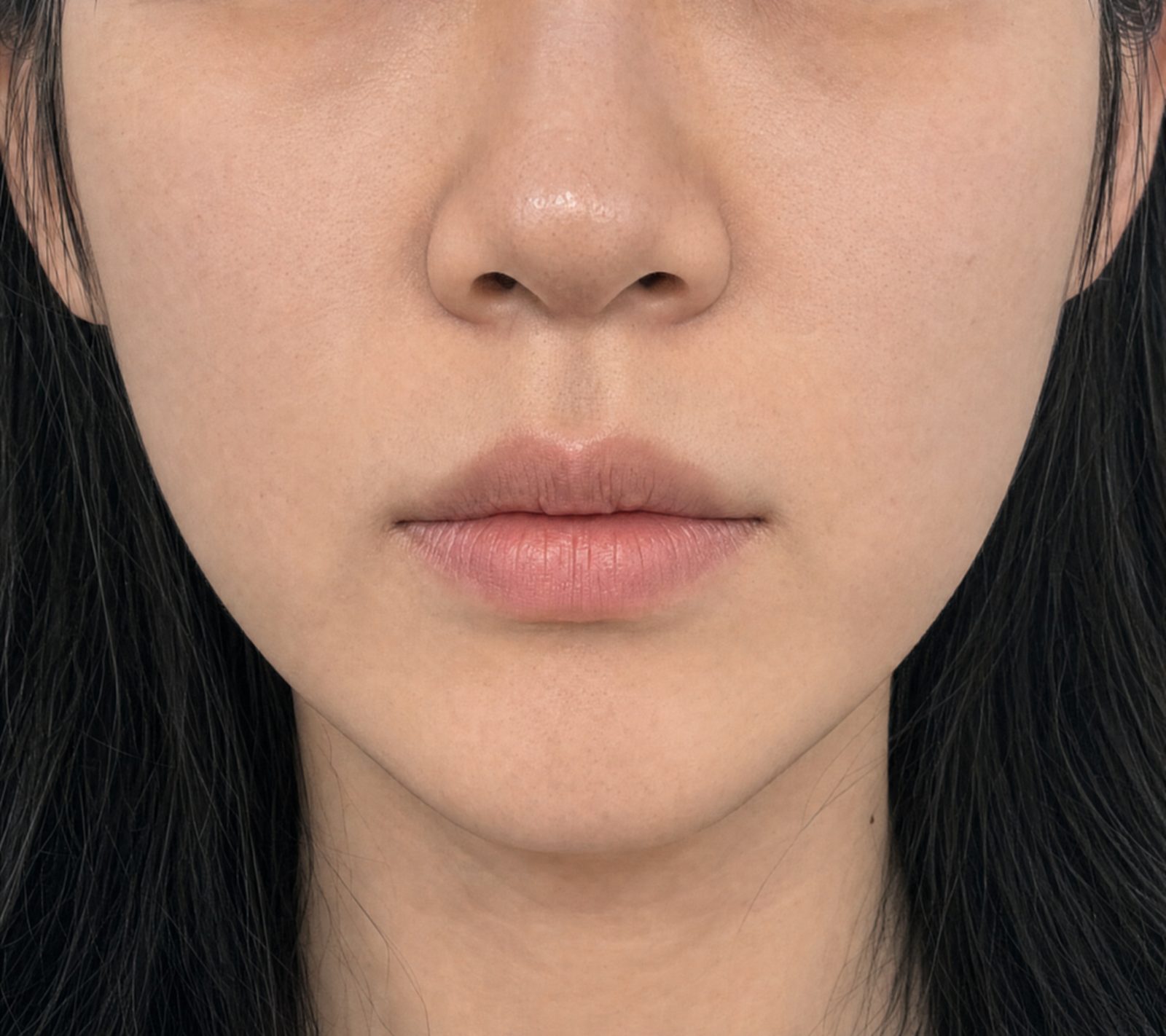
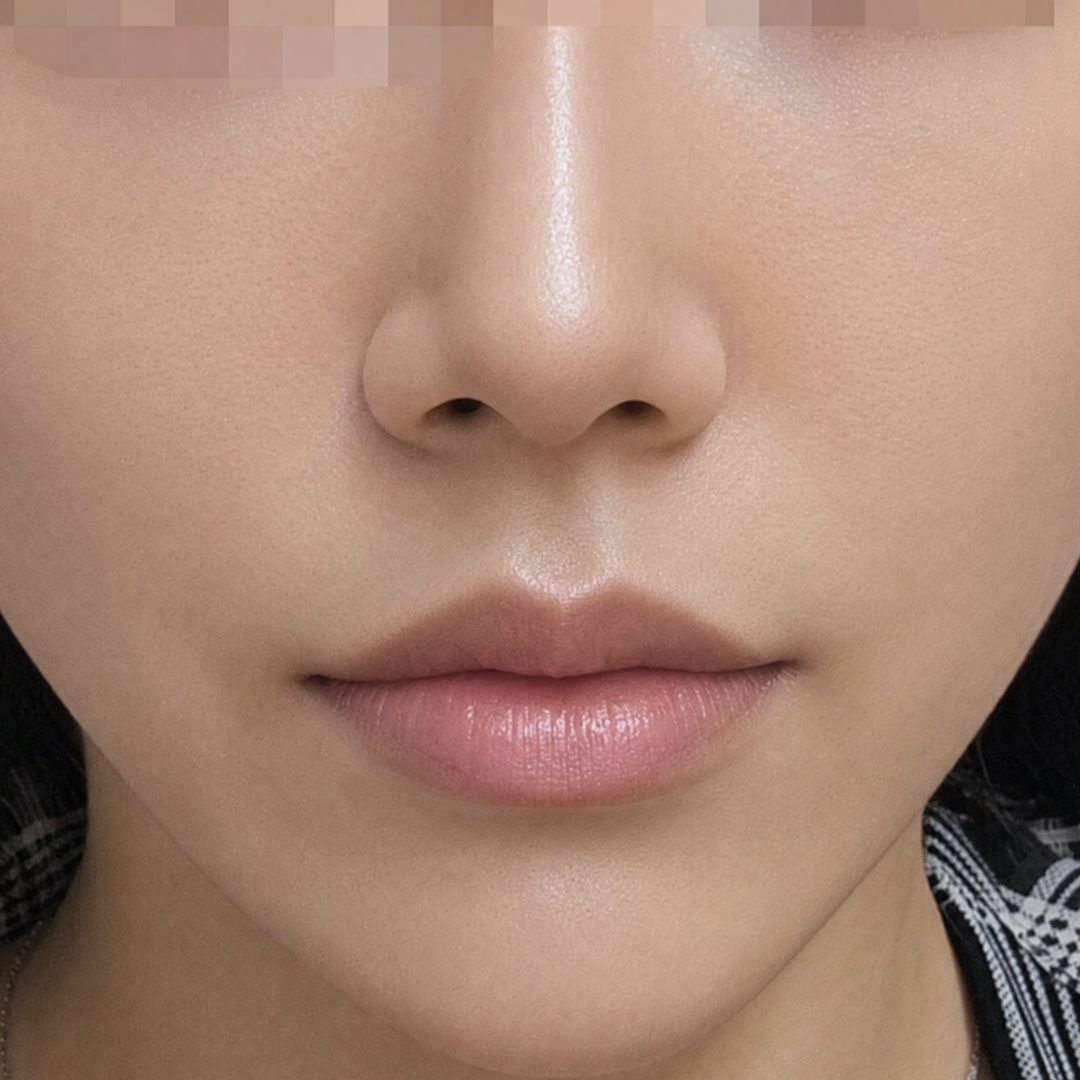
Results may vary depending on the individual.
“I’ve heard both are made from human skin components—so what’s the difference between Litour and Juvacell?”
When I hear this question during a consultation, I first explain what the two procedures have in common. Both procedures use the same type of material. Therefore, the criteria for choosing between them are not the ingredients, but rather the product form, product line, and the target area.
LituoWow JuvaCellAll Homologous acellular dermis (hADM), in which cells have been removed from human skinIt is a skin booster that replenishes ECM. Litou is Particle Size and Treatment SiteDepending on the case, Skin, V, or Fine; Juvacell is hADM ContentIt is classified into 3% and 8% concentrations.
- If the area under your eyes appears sunken and the skin around your eyes looks thin → Litou Fine
- If you’re concerned about neck wrinkles and skin elasticity → Juvacel 8%
- If you’re concerned about overall skin texture and deep dryness → Both are possible; a consultation will determine the best course of action
Differences Between Litouo and Juvacell: A Side-by-Side Comparison
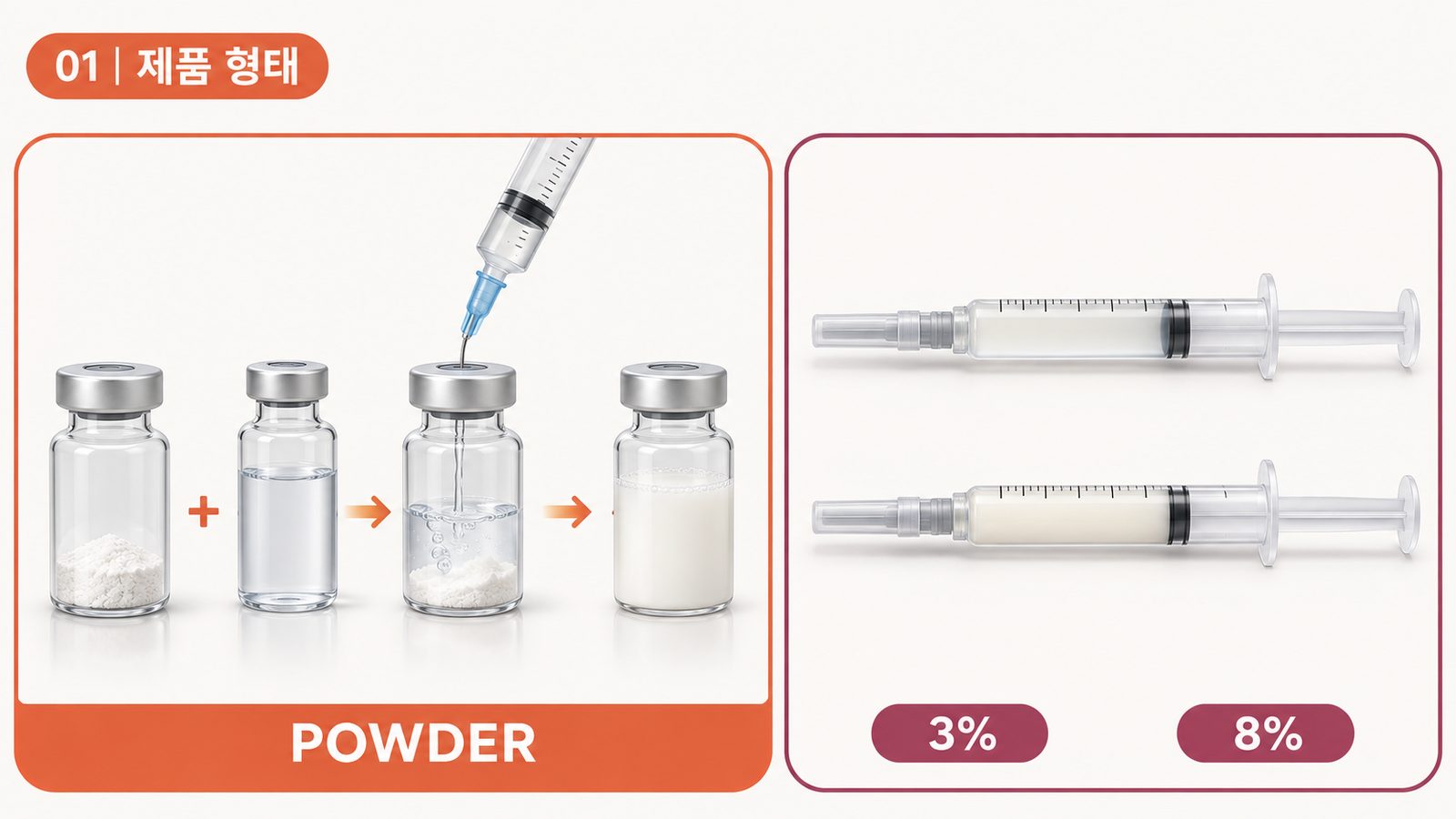
Both procedures use the same type of material; the main difference lies in the product form and the criteria used to categorize the product lineup. Litwo is dissolved into a liquid immediately before the procedure, while Juvacell comes in liquid form in a 1cc syringe.
Litwo is manufactured by L&C Bio, and Juvacell is manufactured by Baim. The decellularization process—removing cells from human skin—also varies by company. Juvacell states that it removes cellular components using supercritical carbon dioxide (CO₂) instead of surfactants.
| Category | Lituo | JuvaCell |
|---|---|---|
| Produced by | L&C Bio | Baem |
| Product Form | Powder → Dissolve and use immediately before the procedure | 1 cc Pre-filled Syringe (Liquid) |
| Criteria for Categorizing the Product Lineup | Particle Size and Treatment Areas (Skin, V, Fine) | hADM Content (3%·8%) |
| Decellularization Method | Manufacturer’s proprietary process | Supercritical CO₂ Procedure |
| Key Members of Seoul i Dermatology | Entire Face, Single Sunken Area, Under-Eye Area Only | 6 cc per session, combined with laser treatment for neck wrinkles |
Both procedures involve the injection of human skin-derived ECM.
Lituo and Juvacell are materials made from acellular allogeneic dermis (hADM)—a substance created by removing cells from a donor’s skin and leaving only the ECM structure—which has been processed into very fine particles. In South Korea, both products are classified as human tissues rather than medical devices.
ECM (extracellular matrix) is a mesh-like structure within the skin composed of collagen, elastin, and hyaluronic acid. While treatments like Rejuran and Juvelook stimulate the skin to produce new collagen, both procedures share a common underlying principle: they directly infuse materials into this mesh structure. It is explained that the injected ECM serves as a scaffold, and the patient’s own tissue gradually fills in the spaces between the ECM fibers.
The Difference Between Juvacell 3% and 8%, and Litou Skin, V, and Fine
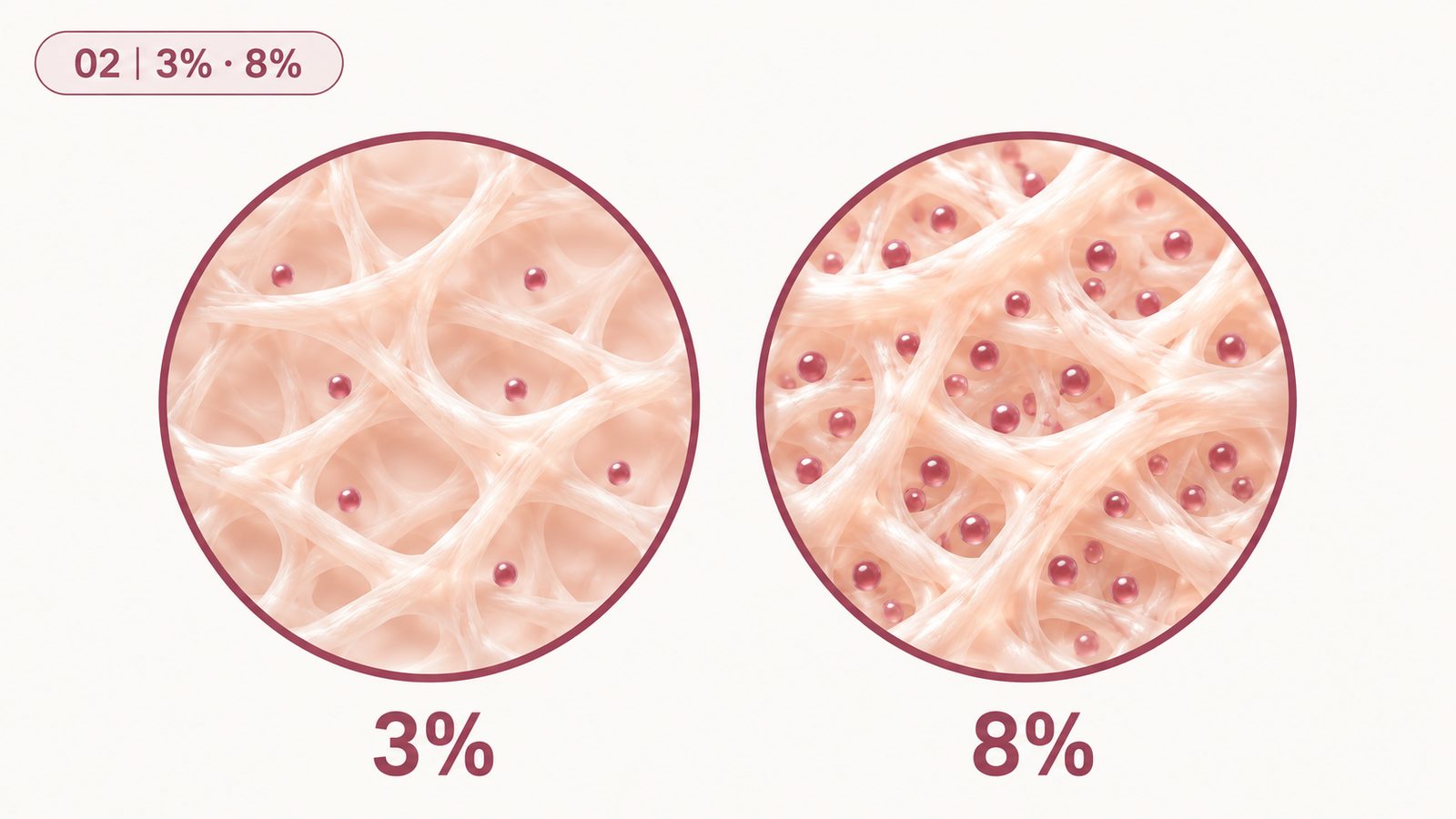
The 3% and 8% concentrations of Juvacell refer to the hADM content in a 1 cc syringe. The 8% solution contains more material and has a thicker consistency, while the 3% solution is thinner and is injected as if spreading it over a wide area.
Therefore, the 3% solution is used for overall skin texture and underlying dryness, while the 8% solution is used to fill areas where elasticity has decreased and the skin has thinned. Lituo differs in that it categorizes the same material based on particle size and the treatment area. “Fine,” which has the smallest particles, is specifically designed for thin skin, such as under the eyes.
Skin · V · Fine
Skin refers to the overall skin texture of the face, V (Volume) targets a specific sunken area, and Fine is tailored for the under-eye and eye-area regions.
3% · 8%
Juvacel 3% 6CC focuses on improving skin texture and hydration, while Juvacel 8% 6CC emphasizes firmness and filling thinning skin.
For under-eye areas: Retuo Fine; for neck wrinkles: Juvacel 8%
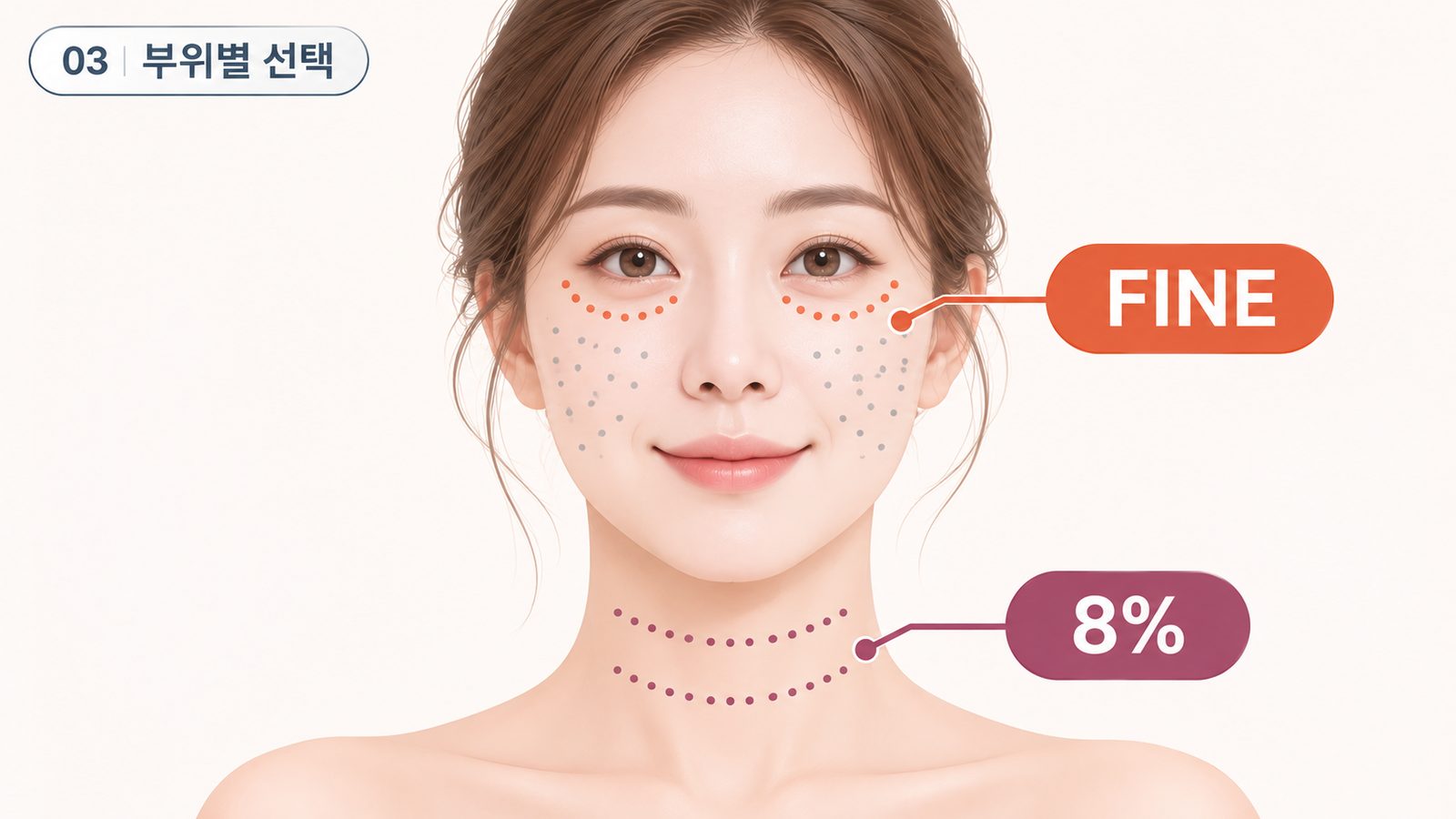
Since the effects of these two procedures overlap significantly, the choice is often based on whether the treatment plan is tailored to the specific area.
| Areas of Concern | Formulations Primarily Used at Seoul i Dermatology |
|---|---|
| Hollows Under the Eyes · Fine Lines Around the Eyes | Lituo Fine (with the finest particles, specifically for under-eye use) |
| Neck Wrinkles and Neck Skin Elasticity | Juvacell 8% + AirShine Laser for Neck Wrinkle Removal |
| A sunken area, such as the cheeks or around the nasolabial folds | Lituo V or Juvacell 8% |
| Overall Facial Skin Texture and Deep Dryness | Lituo Skin or Juvacell 3% |
Just as with overall facial skin texture, when both procedures are suitable, the choice is determined based on the patient’s previous treatment history, skin response, and skin thickness. There are currently no studies comparing which procedure is better for skin texture.
Which option is right for my concerns?
The degree of volume loss, skin thickness, and history of previous procedures must be assessed in person for an accurate evaluation.
We will determine the specific areas together during your consultation.
Lituo Juvacell: Pain and Recovery Period
Since both procedures involve injections, patients may experience a slight stinging sensation and soreness; with Juvacell, the higher the concentration (such as 8%), the heavier the sensation during injection.
Stiffness Varies by Area
In thin areas such as under the eyes, we use “Fine” particles to minimize discomfort. At Seoul i Dermatology, we perform Litouo under sedation.
8% provides a substantial, full sensation
The 3% solution is thin and injects relatively easily, while the 8% solution is thicker and requires more pressure. For wide areas like the neck, treatment is often planned in conjunction with laser therapy.
Immediately after the procedure, the injection sites may become slightly bumpy and red. These marks and swelling usually subside within 1 to 3 days, and any bruising typically resolves within about a week. On the day of the procedure, avoid saunas, alcohol, and strenuous exercise that causes heavy sweating, and do not rub the injection site vigorously.
How Many Treatments Are Needed, and How Long Do the Results Last?
For both procedures, the standard approach is to build up results over several sessions spaced a few weeks apart, rather than in a single session. For Litou Skin, three sessions spaced 3–4 weeks apart are recommended, while for the V procedure, a follow-up consultation is advised after 6 months.
The Juvacell neck wrinkle treatment is also offered as a 3-session program in combination with AirShine. Since the duration of results varies significantly depending on age, skin thickness, and the degree of sagging, the interval between sessions is determined based on the changes observed after the first session.
Combination Treatment Using Litou and Juvacell
Sometimes, these two procedures are used together on different areas. For example, Retuo Fine might be used under the eyes, while Juvacel 8% is used on the neck.
- Eyes and Neck Together — Plan to improve eye area elasticity and reduce neck wrinkles all at once with iThermage + Litouo Fine + AirShine + Juvacell 8%.
- Focus on Neck Wrinkles — Combining AirShine and Juvacel 8% to Use Laser and ECM Together.
- Entire Face + Under-Eye Area — Rituo Skin + Rituo Fine are used to fill the skin texture and under-eye area separately.
Lituo Juvacell: Nodules and Side Effects
Common reactions include swelling, bruising, and a bumpy texture at the injection site; if the filler clumps in one area, a palpable lump (nodule) may form. Since thin skin, such as under the eyes, easily reveals even small clumps, the amount and depth of the filler are minimized during injection.
Caution Regarding Under-Eye Nodules
For the under-eye area, we use the “Fine” filler with the smallest particles, determining the volume for each side and injecting it evenly.
8%: Adjusting Depth and Volume
Since the high-concentration 8% solution can appear lumpy if injected in large amounts into thin areas, it is used in combination with the 3% solution, adjusted according to skin thickness.
Small lumps that can be felt for 1–2 weeks after the procedure often fade as the material settles into place. If they remain firm or gradually enlarge even after 2 weeks, please visit the clinic for an examination.
What You Need to Disclose Before the Procedure
- Types, Areas, and Dates of Recent Filler and Skin Booster Treatments
- If you are pregnant, breastfeeding, or have an autoimmune disease
- Medications currently being taken (especially blood thinners)
Differences Between Litou and Juvacell: Frequently Asked Questions
How would you summarize the difference between Litou and Juvacell in one sentence?
Both procedures involve the injection of human-derived ECM (acellular allogeneic dermis); Litou is categorized by particle size after dissolving the powder, while Juvacell is categorized by concentration (3% and 8%) in liquid form.
What is the difference between Juvacel 3% and 8%?
This refers to the difference in hADM concentration per 1 cc. The 3% solution is thinner and is used to improve the overall skin texture of the face, while the 8% solution is thicker and is used to fill areas with reduced elasticity or thinning skin.
Between Litou and Juvacell, which one is less likely to cause nodules?
There are currently no studies directly comparing these two products.
The outcome of nodule formation depends more on whether the formulation was selected to suit the specific area—rather than the product itself—and whether the volume and depth were injected evenly.
Can I receive both Litou and Juvacell at the same time?
In some cases, different products are used in combination across different areas. For example, Retuo Fine may be used under the eyes, while Juvacel 8% may be used on the neck. The products are not injected on top of each other in the same area.
When do the effects of Juvacell start to be felt?
Many patients first notice improved hydration a few days after the injection, once the swelling has subsided, and changes in skin elasticity are assessed as the treatment sessions progress.
It’s said to be made from human skin—is it safe?
Both products are classified as human tissues that have undergone a process to remove cellular components from donor tissue. However, since they have been on the market for a short time, long-term data is limited; it is advisable to keep this in mind when making your decision.
Rituo Juvacell: The Treatment Site Comes Before the Material
These two procedures use the same ECM material but deliver it in different ways. For thin and sensitive areas like the under-eye region, consider Litou Fine first; for broad, thinning areas like neck wrinkles, consider Juvacell 8% first.
Seoul i Dermatology offers both Litou and Juvacell, and we plan treatments by dividing them into appropriate combinations for each area rather than concentrating them on a single area.
 One doctor, start to finish
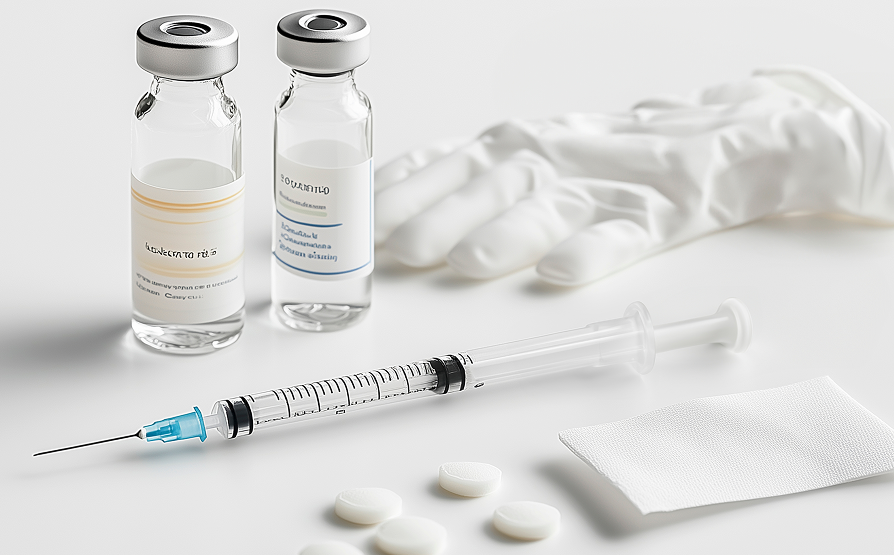 Genuine products, exact doses
 Recovery shown in real reviews
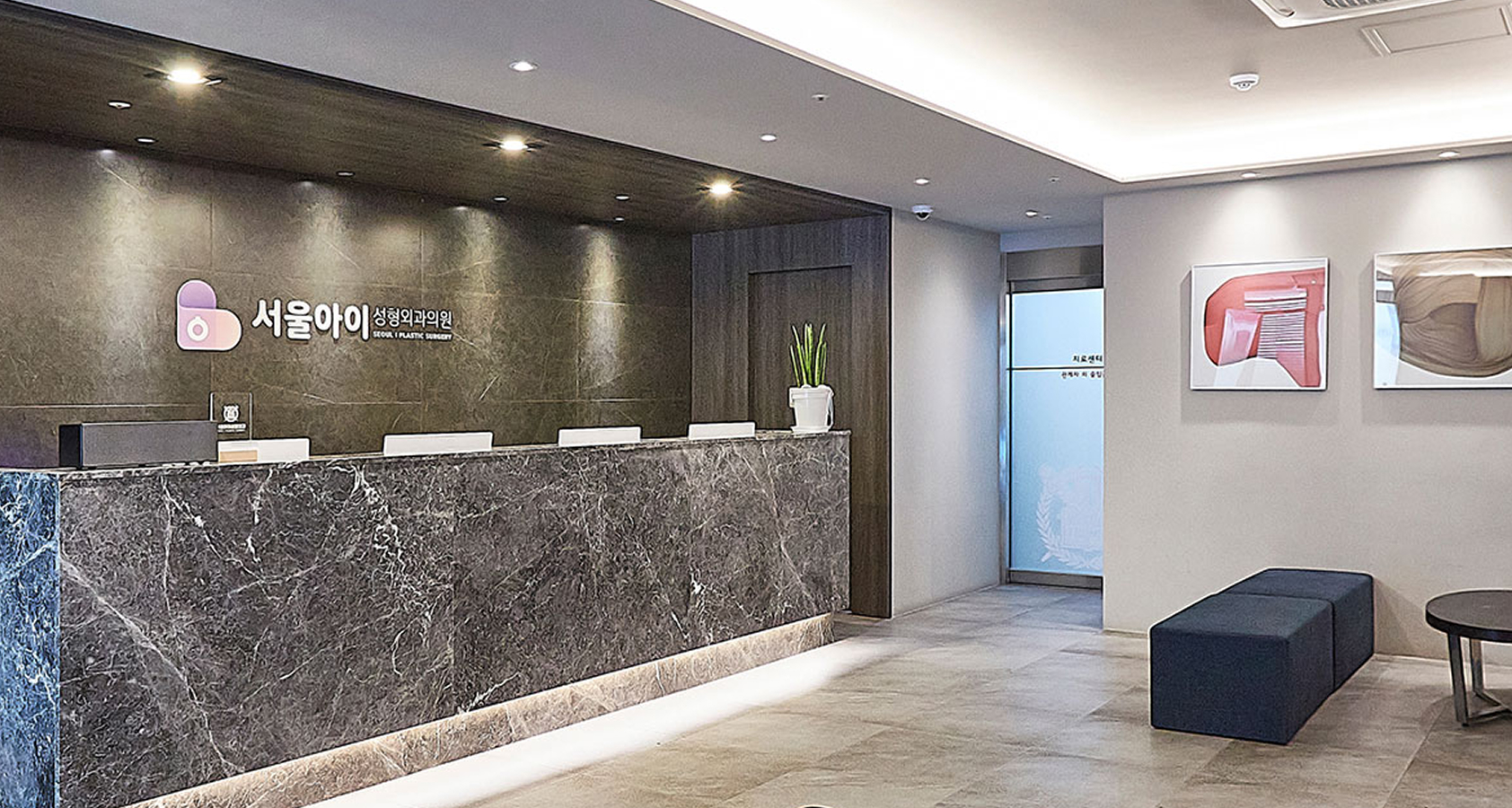 Service in 7 languages