



A Comparison of Everything from Effectiveness to Pain and Duration of Results
Although Rejuran and Juvelook are both considered leading skin boosters, their ingredients and approaches to the skin differ.
Rejuran is an injectable treatment whose main ingredient is PN (polynucleotide), a purified form of DNA derived from sources such as salmon, and it works by improving the skin’s hydration and regenerative environment. In contrast, Juvelook combines PDLLA (poly-D,L-lactic acid) and hyaluronic acid to induce collagen production over time.
Therefore, “Which skin booster is better?”See what’s happening with my skin right now Is the issue related to skin condition and texture, or is it a problem with elasticity and pores caused by collagen loss?It is important to consider this first.
- If you have thin, sensitive skin and are concerned about fine lines or skin texture → Rejuran
- If you’re concerned about loss of elasticity, enlarged pores, or indented scars → Juvelook
- If you’re concerned about both your skin condition and elasticity → A Comprehensive Approach

Rejuran vs. Juvelook: What’s the Biggest Difference?
The key differences lie in the active ingredients and the methods used to improve the skin.
Rejuran focuses on restoring the skin tissue environment through its PN component, while Juvelook focuses on inducing collagen production within the skin through PDLLA.
| Classification | Rejuran | Juvelook |
|---|---|---|
| Main Ingredients | PN (Polynucleotide) | PDLLA + Hyaluronic Acid |
| Main Methods | Improving Skin Hydration and Regeneration | Induction of Collagen Production |
| Main Purpose | Improvement in skin texture, fine lines, and overall skin condition | Improvement in Skin Elasticity, Pores, and Sunken Scars |
| Characteristics of the Results | Changes in skin condition may occur as the treatment progresses. | Results may appear gradually over time as collagen is produced. |
| Whether to Combine Procedures | Considerations Based on Skin Condition | Considerations Based on Skin Condition |
Therefore, even for the same concern—such as “my skin looks dull”—the necessary treatment approach may differ depending on whether the skin itself has become thinner and more sensitive or whether elasticity has decreased due to a loss of collagen.
What are the effects of Rejuran, and
Which skin concerns is it suitable for?
It is best to understand Rejuran not as a procedure that tightens the skin or adds volume, but rather as a skin booster that creates an environment in which skin tissue can heal on its own.
How Does Rejuran’s PN Component Work on the Skin?
PN is a long-chain component derived from the DNA of salmon or trout. It is said to break down relatively slowly within the skin due to the length of its chains.
A 2026 peer-reviewed paper on PN explains that PN may create a temporary support structure in the dermis, stimulate fibroblasts, and help retain moisture in the extracellular matrix by attracting water.
However, the same paper also notes that research into the exact mechanism of action is still ongoing and that large-scale comparative studies are needed.
What skin concerns is Rejuran suitable for?
If your skin has become thinner and more sensitive, accompanied by fine lines and a rough texture, you may want to consider Rejuran.
In particular, if your goal is to improve the skin’s condition and texture rather than adding volume, a PN skin booster such as Rejuran may be worth considering during your consultation.
For areas where the skin is particularly thin, such as around the eyes, a separate formulation with particle size adjusted specifically for the eye area is sometimes used. At Seoul i Plastic Surgery, we also distinguish between Rejuran Healer for the entire face and Rejuran i (Eye) for the eye area.
Conversely, if your primary concern is a noticeable loss of elasticity or enlarged pores, you should determine whether other treatments are necessary in conjunction with this procedure.
Concerns That May Prompt Consideration of Rejuran
- When the skin becomes thinner and more easily irritated
- If you’re concerned about both fine lines and rough skin texture
- When restoring the skin’s condition takes priority over adding volume
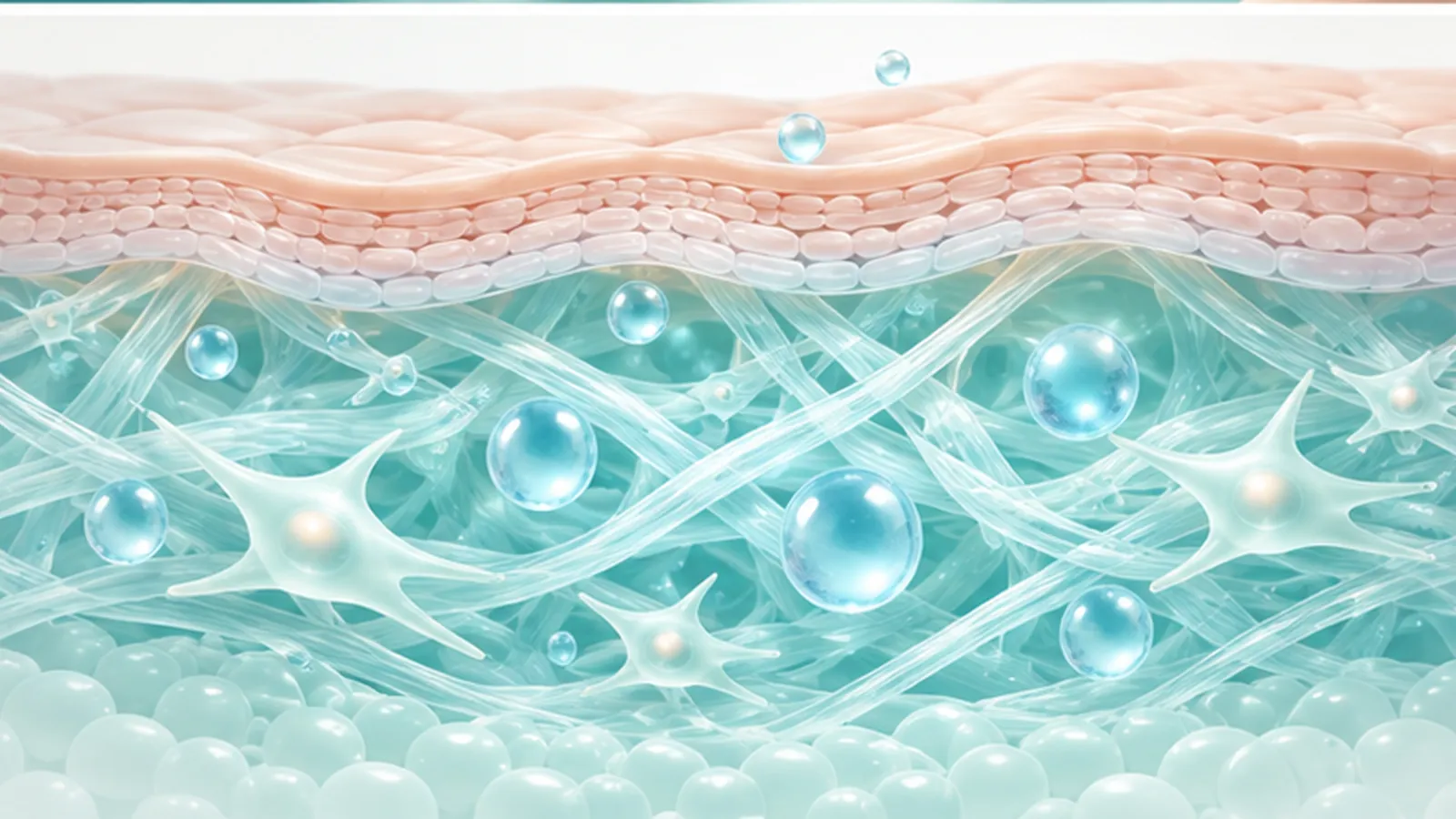
What are the effects of Juvelook, and
Which skin concerns is it suitable for?
Juvelook is a skin booster that works by stimulating collagen production within the skin to improve elasticity and skin density. Since collagen production takes time, changes typically appear gradually.
How Does Juvelook Affect Collagen Production?
Juvelook is a hybrid product that combines PDLLA, which stimulates collagen production, with non-cross-linked hyaluronic acid.
Related case reports explain that hyaluronic acid provides initial hydration and volume, while PDLLA is responsible for stimulating collagen production over time.
However, it is noted that this report is based on observations of a small number of cases over a short period, and larger-scale studies are needed to assess long-term effects.
What skin concerns is Juvelook suitable for?
If you’re concerned about reduced skin elasticity and enlarged pores due to a decrease in collagen as you age, you may want to consider Juvelook.
Consultations may also be recommended for concerns requiring the restoration of underlying skin support structures, such as sunken scars.
At Seoul i Plastic Surgery, we combine Juvelook with PDRN (salmon injection) to promote collagen production while also addressing overall skin condition. For thin areas such as under the eyes, we use Juvelook Eye separately.
However, if your skin is very sensitive or your skin barrier is compromised, it is advisable to consult with a specialist to determine whether restoring your skin’s condition should take priority over collagen induction.
Concerns That May Prompt Consideration of Juvelook
- When skin elasticity has decreased due to collagen loss
- If your pores appear stretched or enlarged
- In cases where improvement of the skin’s underlying support structures—such as sunken scars—is needed
Rejuran vs. Juvelook,
Which procedure is right for my skin?
When choosing between these two procedures, it is important to consider not only “how the skin looks” but also “why it looks that way.” This is because even if two people have the same dull or rough complexion, the treatment approach may differ depending on whether the cause is poor skin condition or collagen loss.
What if your main concerns are skin condition and texture?
If your skin has become thinner and reddens easily, or if you experience fine lines and dryness, you may want to consider a PN skin booster such as Rejuran.
If you’re interested in managing your skin condition alongside a laser lifting treatment, it’s a good idea to discuss this during your consultation. At Seoul i Plastic Surgery, we often combine Rejuran with Ulthera or Thermage.
What if your main concerns are skin elasticity and pores?
If your main concern is skin that appears saggy and lackluster, with enlarged pores, you may want to consider a collagen-inducing skin booster such as Juvelook.
If you are particularly concerned about your pores, you may want to consider using the Potenza pumping tip—a high-frequency device—in conjunction with a skin booster treatment during your consultation.
However, in cases of pronounced facial sagging, you should assess separately whether skin boosters alone can achieve the desired results, and it is advisable to determine whether a lifting procedure is also necessary.
What if you’re experiencing both poor skin condition and loss of elasticity?
In reality, skin aging is not caused by a single factor. In many cases, the skin becomes thinner and more sensitive while collagen decreases, leading to a loss of elasticity.
In such cases, rather than insisting on a single procedure, it is important to evaluate skin thickness, sensitivity, elasticity, and pore condition together.
Steps to Follow Before Choosing a Procedure
- Check to see if your skin has become thinner or more sensitive.
- Check for loss of elasticity or enlarged pores.
- We also assess whether there are any sunken scars or skin texture issues present.
- Determine whether the desired change is to restore skin condition or to improve elasticity and density.
- If multiple issues are present, we will determine whether a comprehensive approach is necessary.
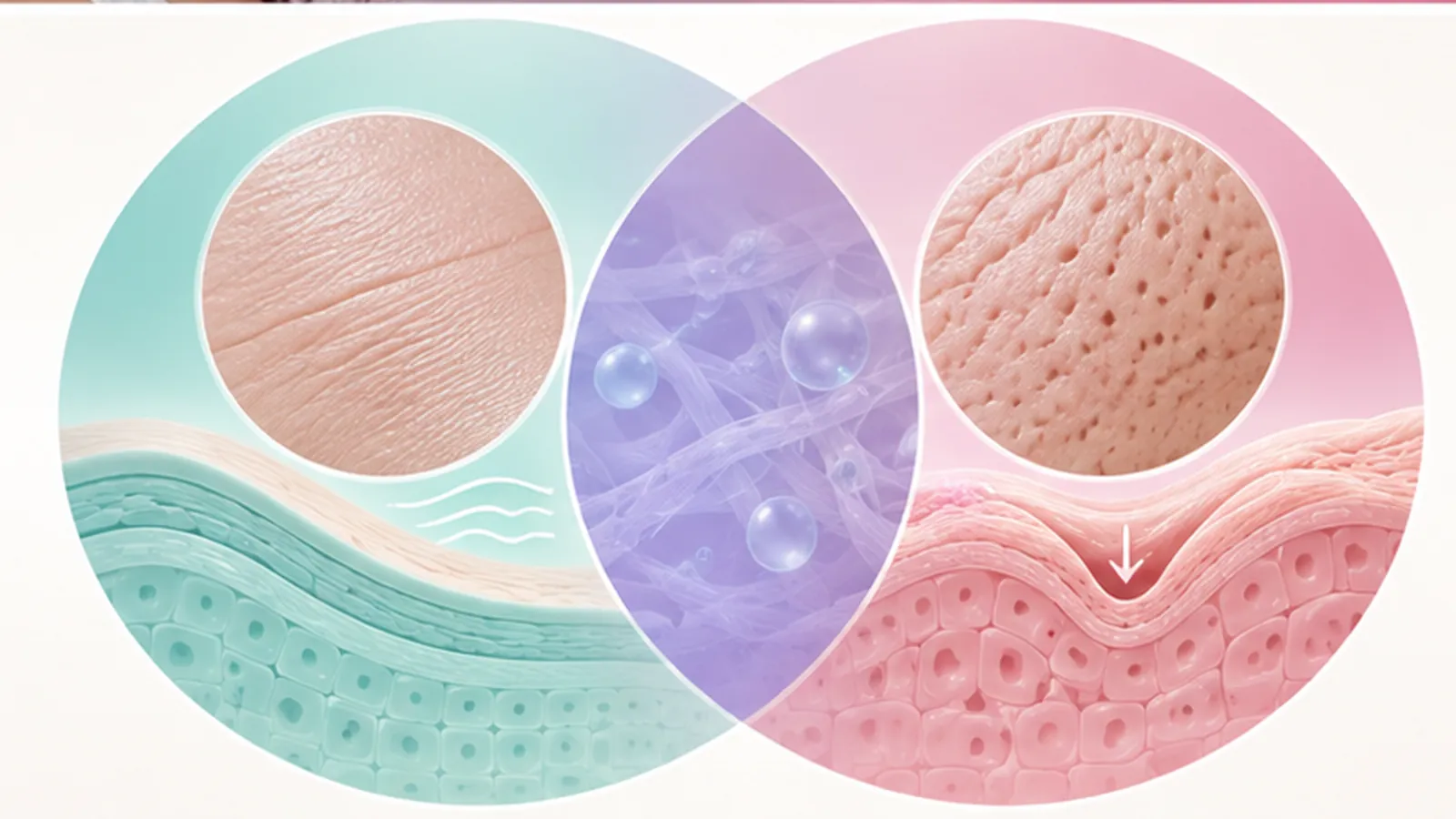
Which Skin Booster Is Right for My Skin?
Your skin condition and the underlying cause of your concerns are more important than the name of the procedure.
A direct examination provides the most accurate assessment.
Can I receive Rejuran and Juvelook together?
Since Rejuran and Juvelook target different areas, combined treatment may be considered depending on your skin condition. However, it cannot be concluded that receiving both procedures together will yield better results for everyone.
What is the difference between using Rejuran and Juvelook together?
Conceptually speaking, Rejuran considers skin condition and the regenerative environmentAccess, Juvelook promotes collagen production and elasticityIf you have both concerns, you may consider a combined treatment plan designed to address each issue separately.
Seoul i Plastic Surgery also offers a “Rejuvellook” package that combines Rejuran and Juvelook treatments, and if you have concerns about the eye area, we may perform Rejuran Eye and Juvelook Eye together. However, we do not recommend this combination for everyone. Rather than assuming that “combining the two will double the effect,” it is important to first determine whether each treatment is necessary on its own.
Rejuran Juvelook Pain,
Which one hurts more?
It is difficult to say definitively that one procedure is always more painful than the other. Since both procedures involve injections, pain and discomfort may occur, and the actual level of discomfort experienced varies significantly depending on the factors listed below.
Factors Affecting Pain
- Injection Depth and Method: The more times the solution is injected into the shallow layers of the skin, the more frequently you may feel a prickling sensation.
- Treatment Areas: Areas with thin and sensitive skin, such as around the eyes and mouth, may cause relatively more discomfort.
- Injection Volume and Treatment Area: The more extensively the treatment is performed across the entire face, the longer the procedure will take.
- Anesthesia Methods: The experience varies depending on the method used, such as anesthetic cream, a mixture of local anesthetics, or sedation.
- Individual pain sensitivity and skin condition on the day of the procedure
Pain You May Experience During a Rejuran Procedure
Since Rejuran is often injected in small, closely spaced doses into the shallow layers of the skin, patients typically feel the needle prick multiple times.
Therefore, procedures often include steps to minimize pain, such as applying a generous amount of anesthetic cream before the procedure.
Pain You May Experience During the Juvelook Procedure
Juvelook is dissolved and administered via injection; case reports have also described instances where it was mixed with a local anesthetic (lidocaine).
However, since discomfort may vary depending on the injection site and method, it is recommended to discuss specific pain management strategies during your consultation.
Rejuran Juvelook Duration of Results and
How Does the Number of Treatments Vary?
Neither procedure provides results that last indefinitely after a single treatment, and it is difficult to specify a fixed duration of effectiveness. This is because the duration of results varies depending on skin condition, treatment area, volume injected, whether repeat treatments are performed, and lifestyle habits. Therefore, rather than asking, “How many months does it last?” “How many sessions should I have, at what intervals, and when should I check my progress?”It is more realistic to consider both options together.
Since the two procedures work differently, the process of observing results also differs.
| Classification | Rejuran | Juvelook |
|---|---|---|
| Mechanism of Change | Improving Skin Hydration and Regeneration | Induction of Collagen Production |
| Characteristics of the Results | You may notice changes in your skin condition as you undergo multiple sessions. | Changes in elasticity and density may gradually occur over time. |
| Initial Considerations | Immediately after the procedure, the injection sites may become slightly bumpy. | It takes time for collagen changes to occur after the initial hydration phase |
How Many Times Should You Get Rejuran, and at What Intervals?
Rejuran is often planned as a series of treatments designed to gradually improve skin condition over time, rather than to produce dramatic results in a single session.
According to a PN expert opinion paper, for the purpose of improving skin condition, the standard regimen consists of three sessions at 4-week intervals, followed by maintenance treatments approximately every 3 months.
However, this is merely an example; the actual number of sessions and intervals are determined by the medical staff based on the condition of your skin.
How many times should I get Juvelook, and at what intervals?
With Juvelook, you may first notice the initial hydration provided by hyaluronic acid, while changes in elasticity due to collagen production may appear gradually over a period of several weeks to several months.
Therefore, it is difficult to judge the results based solely on the appearance immediately after the procedure, and generally Divide the procedure into several sessions and monitor progressWe plan the procedure in this manner.
Seoul i Plastic Surgery also offers Juvelook in packages of 1 or 3 sessions; the number of sessions is determined after a consultation based on the patient’s skin condition.
Rejuran and Juvelook’s
What Are the Side Effects and Precautions?
Although both procedures are non-surgical methods performed via injection, they are not entirely free of potential side effects. Therefore, rather than simply comparing their effectiveness, it is important to consider the expected reactions and precautions before making a decision.
Possible Reactions Following Rejuran Treatment
After a Rejuran procedure, swelling, bruising, redness, and temporary discomfort may occur at the injection site.
PN expert opinions and research papers also explain that local reactions such as swelling, discomfort, and mild bruising are the most commonly reported side effects. In areas with thin skin, such as around the eyes, swelling at the injection site is mentioned as a potential reaction to consider.
Possible Reactions Following a Juvelook Procedure
Even after a Juvelook procedure, swelling, bruising, redness, and pain may occur at the injection site.
Ingredients that stimulate collagen production, such as PDLLA, are rare Small nodules (lumps) under the skinSince complications may occur, the method of product dilution and the injection depth are critical. If you feel lumps or experience prolonged redness after the procedure, it is advisable to notify the clinic and have it checked.
Key Points to Check Before the Procedure
- Both Rejuran and Juvelook may cause swelling, bruising, or redness.
- Reactions and recovery processes may vary depending on the procedure.
- It is important to inform your medical team of your current skin condition, history of previous procedures, and any allergies you may have.
- It is recommended to make a decision only after thoroughly reviewing not only the expected results but also potential side effects and the recovery process.
Consultations are available at Seoul i Plastic Surgery
Rejuran·Juvelook Procedures
The procedures listed below can be selected individually or combined based on your skin condition. It is recommended that you consult with the medical staff after an examination to determine the best combination for you.
Differences Between Rejuran and Juvelook, Frequently Asked Questions
Which Is More Effective: Rejuran or Juvelook?
It is difficult to simply compare them and say that one is better than the other.
This is because Rejuran targets skin condition and the regenerative environment through its PN component, while Juvelook takes a different approach by inducing collagen production through PDLLA.
Therefore, the first step is to determine whether the desired change is to “improve skin condition and texture” or to “enhance elasticity and density.”
Can I receive Rejuran and Juvelook together?
Depending on your skin condition, a comprehensive treatment plan may be considered.
However, since some people may not need both procedures, it is advisable to first determine why each procedure is necessary rather than deciding on a combination treatment right away.
Rejuran or Juvelook: Will a Single Treatment Be Effective?
While some patients may notice changes in their skin condition after a single session, both procedures are often performed over multiple sessions to monitor progress.
This is because Rejuran works by gradually improving skin condition, while Juvelook requires time for collagen changes to take effect. The number of sessions required should be determined after a consultation based on your skin condition and goals.
Can I undergo Juvelook even if I have sensitive skin?
It is difficult to determine eligibility based solely on skin sensitivity.
However, if your skin barrier is significantly weakened, we can work together to determine whether it would be better to restore your skin’s condition first before proceeding with collagen-induction treatments. It is recommended that you discuss your current skin condition with a medical professional before making a decision.
Why Do Bumpy Marks Appear After a Rejuran Treatment?
Since Rejuran is often injected in multiple small doses into the shallow layers of the skin, the injection sites may appear slightly bumpy immediately after the procedure.
While most swelling subsides over time, the severity and duration vary from person to person; therefore, if you have important commitments, it is advisable to discuss the timing of the procedure during your consultation.
Is Juvelook a Filler or a Skin Booster?
Juvelook is a product that combines PDLLA, which stimulates collagen production, with hyaluronic acid, and is generally classified as a collagen-inducing skin booster.
This approach differs from standard fillers, which directly add volume; Juvelook Volume, designed to restore volume to sunken areas, is classified as a separate product.
Differences Between Rejuran and Juvelook,
Final Things to Check Before Making Your Choice
Rejuran uses PN to address skin condition and the regenerative environment, while Juvelook uses PDLLA to target collagen and elasticity. Although there is some overlap in their effects, since their mechanisms of action differ, it will make your consultation much smoother if you first identify what your skin needs most at this time.
- Has your skin become thinner and more sensitive, or are you more concerned about elasticity and enlarged pores?
- What types of anesthesia can be used to reduce pain?
- How many sessions should you have, at what intervals, and when should you check your progress?
Pain levels and duration of results also depend more on the injection technique, anesthesia method, and number of treatments than on the procedure’s name. It is important to ensure that the plan suits your skin condition and lifestyle rather than relying on reviews or trends.
At Seoul i Plastic Surgery, we assess your skin’s thickness, sensitivity, elasticity, and pore condition before working with you to determine the best course of treatment, including the option of combining Rejuran and Juvelook. If you’re unsure which procedure is right for you, simply start by telling us about the concern that’s bothering you the most right now.
 One doctor, start to finish
 Genuine products, exact doses
 Recovery shown in real reviews
 Service in 7 languages